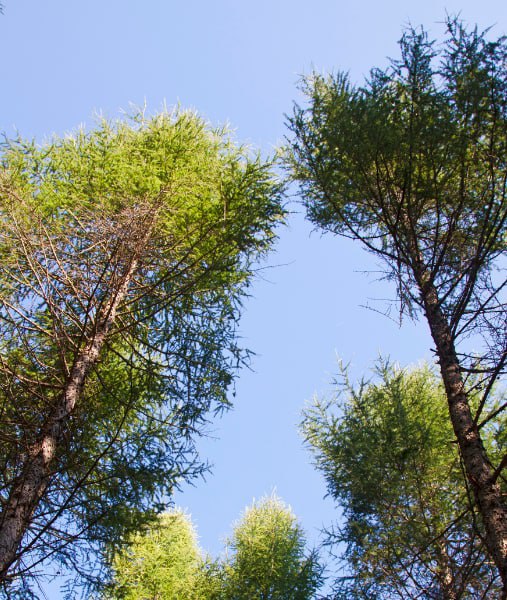
A mature tree close to a house can provide shade, privacy and valuable garden character. Its position alone does not necessarily mean that it should be removed. Many trees can remain near properties when their condition, size and growth are assessed properly and managed through suitable pruning.
The correct approach depends on more than the distance between the trunk and the building. Tree species, structural condition, branch growth, root environment and available space all influence whether pruning is sufficient. For homeowners in Sevenoaks, Kent, a professional tree assessment can identify the most proportionate form of management.
How to Decide Whether a Nearby Tree Needs Pruning or Removal
A tree should be considered as a complete living structure. Removing branches without understanding how the tree will respond can create weak regrowth, spoil its natural form or place it under unnecessary stress.
Distance Alone Does Not Determine the Answer
There is no single distance that makes every tree unsuitable for its location. A small, slow-growing tree may remain manageable close to a building, while a large species in a restricted area may eventually outgrow the space available.
A tree surgeon will consider:
- The species and expected mature size
- The distance between the trunk and property
- The direction and extent of branch growth
- The tree’s health and structural condition
- Available rooting space
- Previous pruning history
- Nearby roofs, gutters, windows and access routes
These factors provide a more reliable basis for recommendations than proximity alone.
Branches Are Touching the Roof or Walls
Branches that repeatedly rub against tiles, gutters, windows or external walls should be assessed. Movement during windy conditions may damage both the tree and the surface it contacts.
Selective pruning can often create suitable clearance without removing excessive growth. The cuts should be positioned carefully so the tree retains a balanced canopy and natural shape.
Overhanging Growth Is Blocking Gutters
Leaves, twigs and seeds from nearby branches can accumulate in gutters and roof valleys. This may obstruct drainage and make roof maintenance more frequent.
Pruning can reduce direct overhang and improve access, although it will not prevent every leaf from reaching the roof. The aim should be sensible clearance rather than severe canopy removal.
The Tree Is Restricting Natural Light
A dense canopy close to windows may reduce daylight inside the property or leave parts of the garden heavily shaded. Crown thinning or a carefully planned reduction may improve light penetration while retaining the tree.
The suitable method depends on the species and canopy structure. Removing too much growth at once can affect tree health and encourage vigorous, poorly attached shoots.
Branches Are Growing Towards Windows or Chimneys
Young branches can gradually extend towards windows, roof junctions and chimneys. Early pruning is often more straightforward because smaller branches can be removed before they become dominant parts of the canopy.
Regular inspection and measured maintenance can prevent a manageable clearance issue from developing into a more complex problem.
The Canopy Has Become Unbalanced
A tree may develop a one-sided canopy because of surrounding buildings, light availability or earlier pruning. Uneven growth does not automatically make the tree unsafe, but it can alter how weight and wind forces are distributed.
A tree surgeon can assess the main limbs and branch unions before recommending selective reduction. Removing particular branches may improve balance without radically changing the tree.
Dead or Damaged Branches Are Present
Dead, split or weakened branches close to a property require prompt assessment. Pruning can remove defective growth while retaining healthy parts of the tree.
The inspection should also establish why the branches have deteriorated. Widespread dieback, decay or structural weakness may require a different management approach from one isolated damaged limb.
What Crown Reduction Can Achieve
Crown reduction decreases the overall height or spread of a canopy by shortening selected branches back to suitable growth points. When completed correctly, it can:
- Increase clearance from the building
- Reduce excessive end weight on long branches
- Improve canopy balance
- Manage a tree that is outgrowing its available space
- Retain the tree at a more suitable scale
Crown reduction is not appropriate for every species or condition. The extent of work should be determined through professional assessment.
Why Topping Is Not the Same as Pruning
Removing large branches indiscriminately or cutting the top from a tree can leave major wounds and stimulate dense regrowth. The resulting shoots may be poorly attached and require repeated management.
Professional pruning follows the tree’s natural branch structure. It aims to achieve a clear objective while removing no more material than necessary.
When Pruning May Not Be Enough
Pruning cannot correct every problem. Removal may need to be considered when:
- The trunk or major branch unions are structurally compromised
- Extensive decay affects the tree’s stability
- The tree is declining significantly
- Available space is unsuitable for continued growth
- Adequate clearance cannot be maintained through proportionate pruning
- Repeated heavy cutting would be needed to contain the tree
- The root plate or main stem shows significant movement
The decision should be supported by clear evidence rather than made solely because the tree stands close to the house.
What About Tree Roots?
Tree roots naturally extend beyond the canopy and interact with the surrounding soil. Their presence near a building does not automatically mean they are causing damage.
Visible lifting of paths, changes around the base of the tree or concerns about ground movement should be assessed carefully. Cutting major roots without professional guidance can affect tree stability and health, so root-related concerns should be investigated before action is taken.
Why Removing Too Much Can Create New Problems
A heavily reduced tree can respond by producing rapid new shoots. Excessive pruning may also expose previously sheltered branches to stronger wind or sunlight.
A planned approach considers how the tree is likely to respond over several growing seasons. In some cases, a staged reduction provides a better outcome than removing a large proportion of the canopy in one visit.
The Value of a Professional Tree Assessment
A professional inspection considers the tree’s species, health, structure and relationship with the property. It can distinguish routine clearance work from symptoms of a more serious problem.
The assessment should identify:
- Which branches require attention
- Whether crown reduction or selective pruning is suitable
- How much growth can reasonably be removed
- Whether structural defects are present
- If ongoing maintenance will be required
- Whether removal is genuinely necessary
This helps preserve healthy trees where possible while addressing practical concerns around the home.
Conclusion
A tree growing close to a property does not necessarily need to be removed. Selective pruning or crown reduction may provide suitable clearance when the tree remains healthy, structurally sound and capable of being managed proportionately. Removal becomes more appropriate when serious defects or unsuitable long-term growth cannot be resolved through pruning.
If you are concerned about a tree near your home in Sevenoaks, Kent, Sevenoaks Tree Surgeons can assess its condition and relationship with the property. Arrange a professional inspection to determine whether careful pruning or a more extensive solution is appropriate.
Call us on: 01732 443299
Click here to find out more about Sevenoaks Tree Surgeons
Click here to complete our contact form and see how we can help with your trees needs.